Distillation.
The Spirit Descriptors.
Tools of the Trade.
What is Cordial?
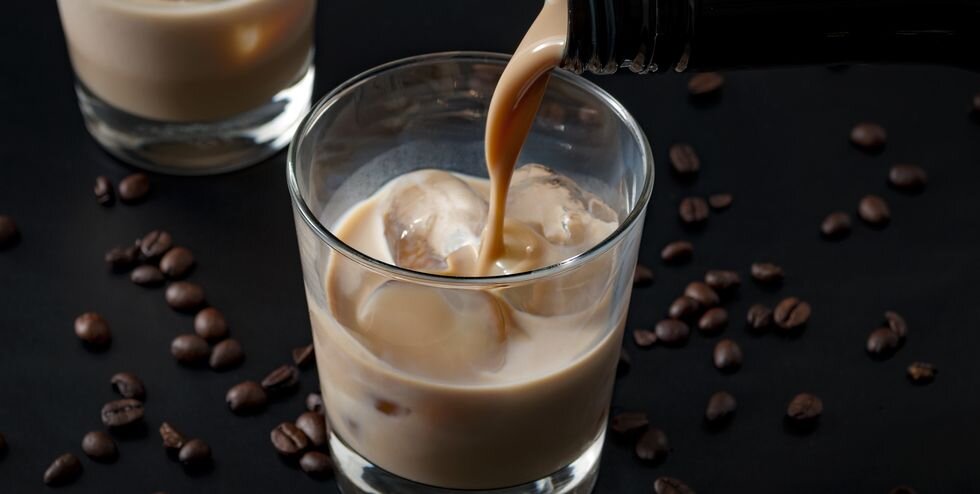
Cordial and liqueur are often used interchangeably to described these sweet spirits, but cordial does have a few other meanings in the drink world.
Liqueurs begin with a base liquor, which can be anything from a neutral grain alcohol to brandy, whiskey, or rum. Sugar is often added along with a mix of herbs, fruits, spices, and other ingredients to obtain the desired flavor.
What is Vodka?
The term “vodka” is a lot like the term “whiskey.” “Vodka” comes from the Slavic word for water, “voda.” Whiskey comes from the Gaelic words “uisge Beatha,” or “water of life.”
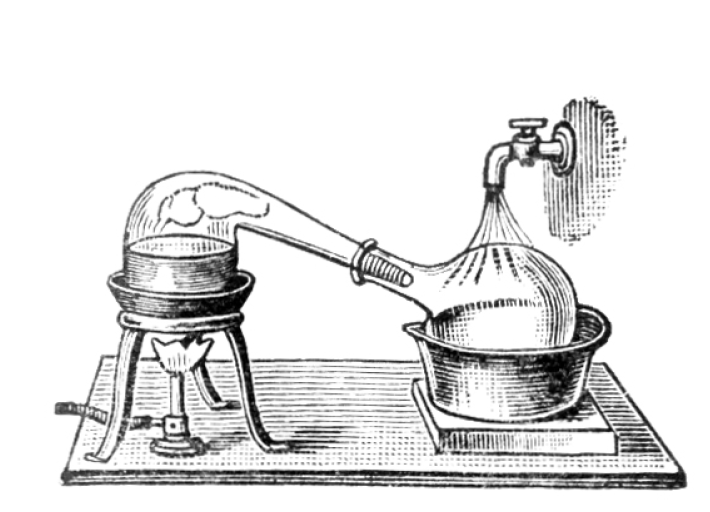
Vodka that is “flavorless” is flavorless on purpose. Coffey or column still system is what we have to thank for most of the mass-produced, flavorless vodka out there. Because a column still can run continuously (it’s also called a “continuous” still), the alcohol keeps moving through the system, being stripped of impurities.
What is Gin?
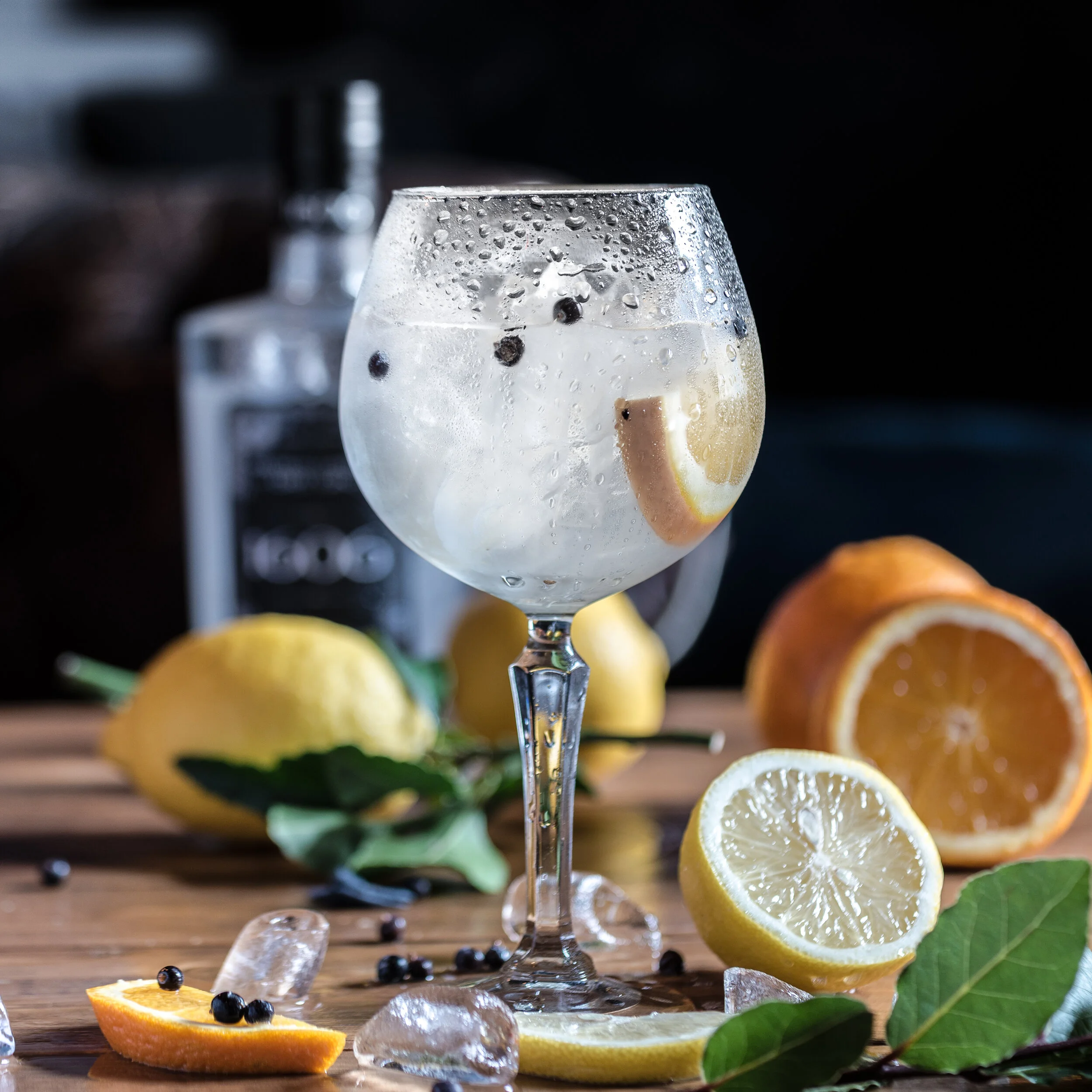
There are more classic cocktails made with gin than with any other spirit (Negroni, Ramos Gin Fizz, Martinez, Gin Rickey, Red Snapper, Tom Collins, White Lady, Hanky Panky, Clover Club, Alexander, French 75, Gimlet, Vesper, Singapore Sling, Silver Bronx, Pegu Club, Bee’s Knees, and Southside, for example). And that is just scratching the surface!
The most usual production method for gin is to distill botanicals, such as juniper, coriander, citrus peel, cinnamon, almond or licorice, with neutral grain alcohol. Making gin is like flavoring vodka, except that botanicals are always natural. A skilled gin distiller knows how to balance the botanical flavors to make a quality product.
What is Rum?
Rum’s importance in American drinking history stretches back to before the United States was even a country. Rum was a necessity in the Colonial days, both as an item for trade and as one of the primary means of getting schnackered. When the country was just getting on its feet, whiskey as we know it hadn’t quite made an impact yet, leaving primarily rum and hard cider.
Rum is a liquor distilled from sugarcane byproducts — typically sugarcane juice, sugar cane syrup, or molasses, according to Difford’s Guide For Discerning Drinkers. After sugar cane was introduced to the Caribbean by Christopher Columbus, slaves were the main consumers of the molasses created during the sugar production process. Even then, the waste was so abundant that people didn’t know what to do with it until someone finally got the bright idea to make alcohol.
What is Tequila?
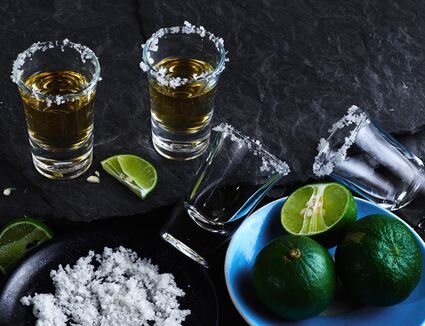
"Technically all tequila is a type of mezcal, but not all mezcal is a tequila," Tequila can only be made from the blue agave, or agave tequilana, but mezcal can be made from over 30 varieties of agave (AKA maguey). (Most mezcals are made from agave espading.)
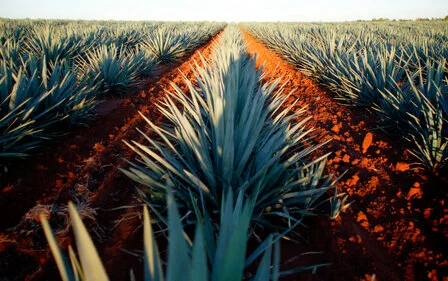
We drink a lot of young tequila. And the aging standards mean that’s pretty young: blanco/joven is just 0 to 2 months old; reposado is 2 months to 1 year; and añejo is 1 to 3 years. But there’s such a thing as “extra añejo,” taking tequila aging to another level of maturity (3 years or more).
Blanco -white spirit, unaged and bottled or stored immediately after distillation, or aged less than two months in stainless steel or neutral oak barrels
Reposado - aged a minimum of two months, but less than a year in oak barrels of any size
Anejo - aged a minimum of one year, but less than three years in small oak barrels
Extra Anejo - aged a minimum of three years in oak barrels, this category was established in March 2006.
What is Scotch?
Technically, Scotch is whisky (spelled without the “e”) that must be produced in Scotland, made from mostly malted barley and aged in oak barrels for three years or more. (The number following the name on a bottle of Scotch tells you how long it was aged.) Some Scotch tastes a lot like bourbon, but with a signature smokiness that lingers at the tail-end of a tasting. For this reason, some people avoid it, but for others, the acquired taste only makes the experience better.
The “whiskey” spelling is used for American and Irish spirits, including bourbon. Conversely, “whisky” is used by the rest of the world, including Europe, Australia, Japan and, of course, Scotland. Regardless of spelling, all whiskey or whisky must be distilled to a minimum of 40 percent and a maximum of 94.8 percent alcohol by volume (ABV).
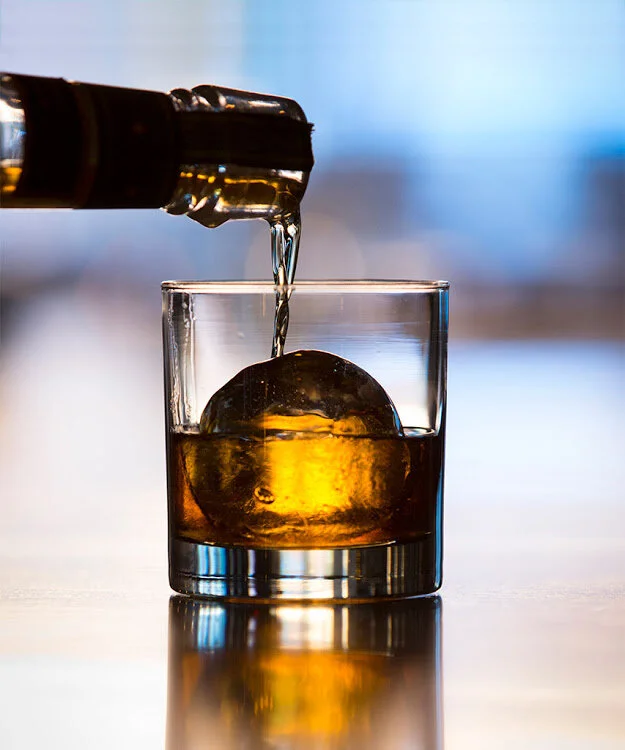
What is Whisk(e)y?
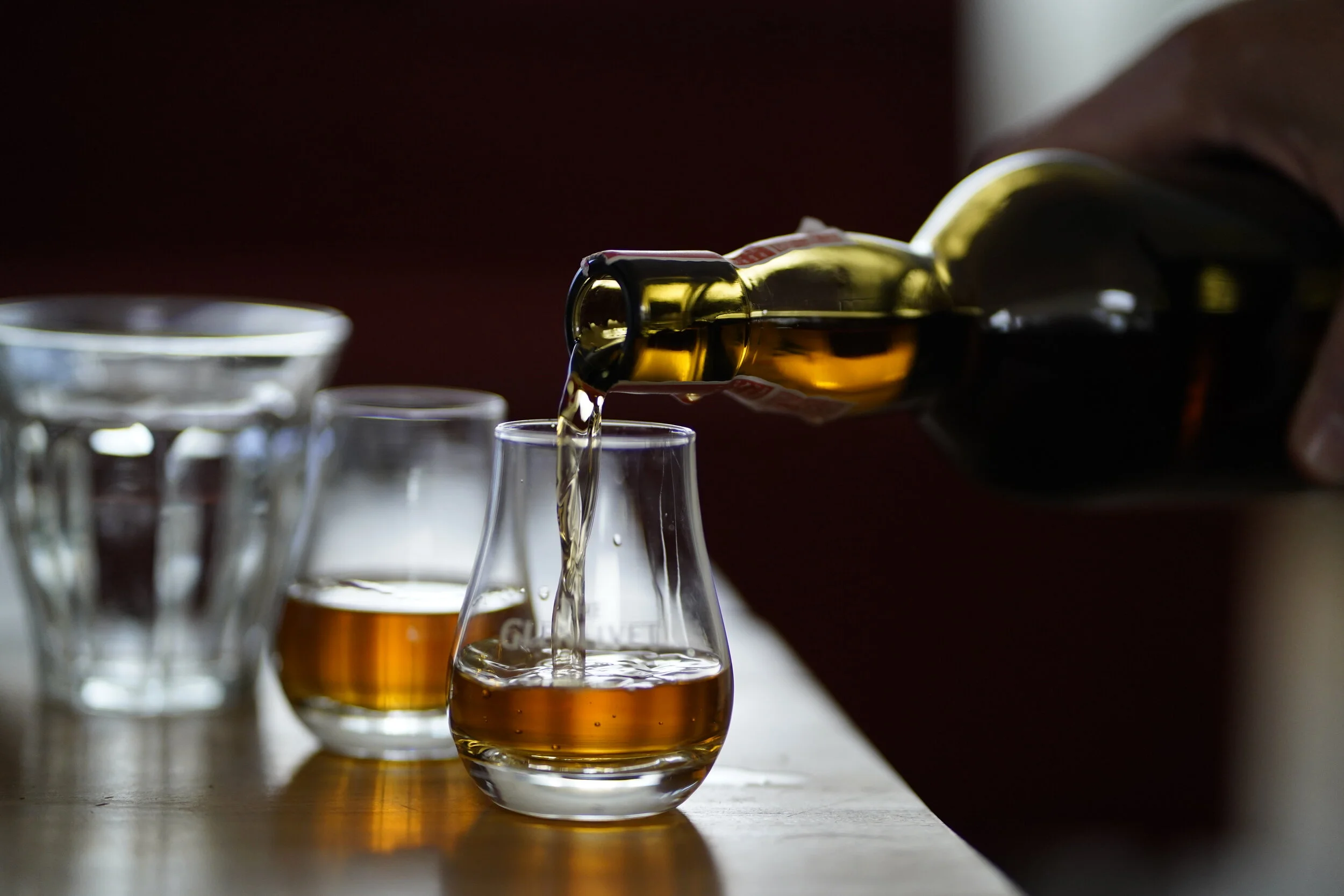
Geography. “Whiskey“ is produced stateside, while many other countries call their product “whisky.”
Whiskey is distilled from a fermented blend of grains, commonly corn, barley, rye, and wheat. That blend is what distillers call a mash bill. Depending on what ratio of grains comprises the mash bill is part of how the resulting liquid is either categorized whiskey or bourbon.
What is Bourbon?
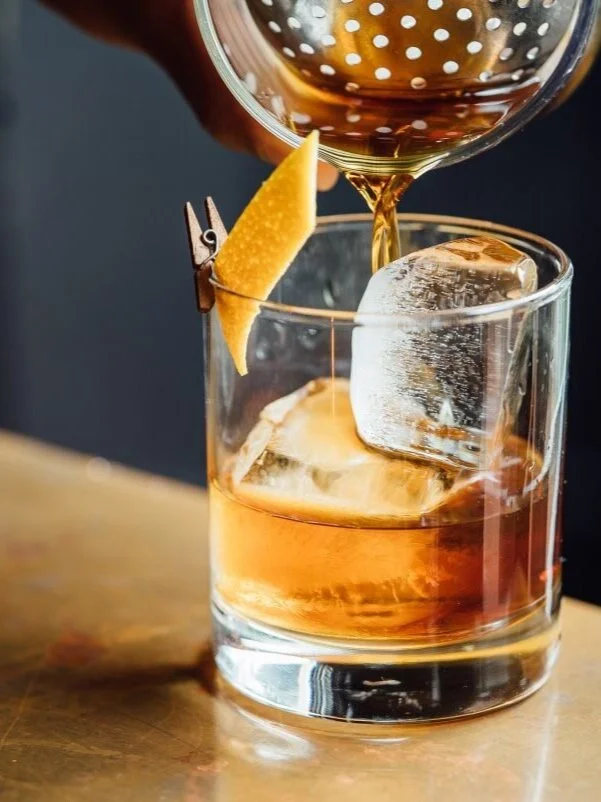
All bourbon is whiskey, but not all whiskey is bourbon. To be legally sold as bourbon, the whiskey's mash bill requires a minimum of 51% corn, with the remainder being rye, wheat, malted barley, singly or in any combination. Bourbon whiskey is a type of American whiskey, a barrel-aged distilled spirit made primarily from corn.
In addition to the fact that 95 percent of the world's bourbon is made in Kentucky, the state's other exports include marijuana and disco balls. Ninety percent of disco balls made in the U.S. are made here (specifically in Louisville) and Kentucky is one of the top three marijuana-producing states in the country, along with California and Tennessee. Also, there are more barrels of bourbon than people in Kentucky.
Legal requirements:
Produced in the United States
Made from a grain mixture that is at least 51% corn
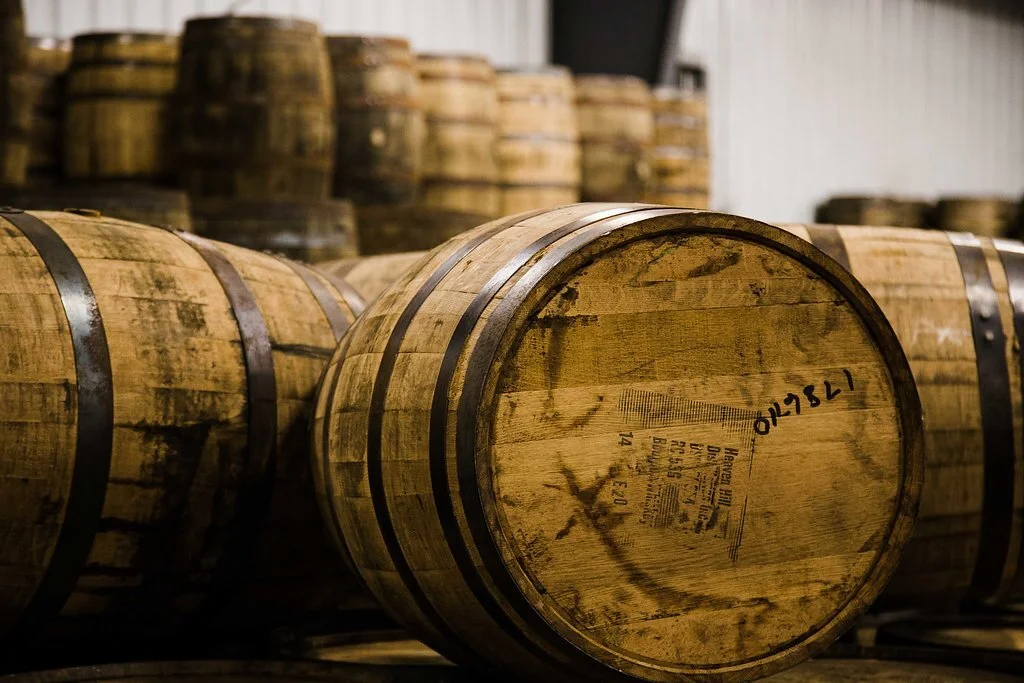
Aged in new, charred oak containers
Distilled to no more than 160 (U.S.) proof (80% alcohol by volume)
Entered into the barrel for aging at no more than 125 proof (62.5% alcohol by volume)
Bottled (like other whiskeys) at 80 proof or more (40% alcohol by volume)
What is Cognac?
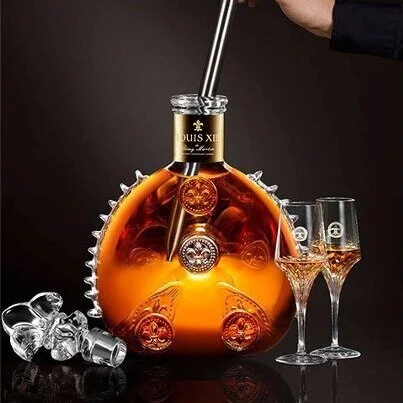
Cognac is a variety of brandy named after the town of Cognac, France. It is produced in the surrounding wine-growing region in the departments of Charente and Charente-Maritime.
VS Cognac: This stands for ‘Very Superior’
vsop-cognac”>V.S.O.P. Cognac: Meaning ‘Very Superior Old Pale’
XO Cognac: ‘Extra Old’